
What’s the Difference Between a Florist and a Tablescape Designer?
One of the questions I am occasionally asked is, “What’s the difference between a florist and a tablescape designer?” While the two certainly overlap, they are not the same thing.
In fact, after creating tablescapes for more than a decade and styling hundreds of tables for this blog, I have come to believe that one of the biggest misconceptions people have is that a tablescape is simply the centerpiece sitting in the middle of the table.
A centerpiece is only one piece of the puzzle.
A florist creates floral arrangements. A tablescape designer creates an entire dining experience.
Let’s take a closer look at the differences.
What Does a Florist Do?
A florist is a skilled artist who works primarily with flowers and greenery. Florists understand flower varieties, color combinations, bloom sizes, seasonal availability, vase mechanics, floral foam, flower longevity, and countless other details that most people never consider.
When given a theme such as a garden party, Thanksgiving dinner, or Fourth of July celebration, a florist’s primary focus is creating a floral arrangement that reflects that theme.
Their canvas is flowers.
And beautiful flowers can certainly become the focal point of a table.
What Does a Tablescape Designer Do?
A tablescape designer begins with a much broader view.
Before I ever think about flowers, I typically begin with a color palette. That palette may be inspired by the season, a particular holiday, a collection of dishes, or simply the mood I want to create.
From there, I build the table layer by layer.
I select linens, which might include a tablecloth, runner, placemats, and cloth napkins. Next come the place settings, including chargers, dinner plates, salad plates, stemware, and flatware.
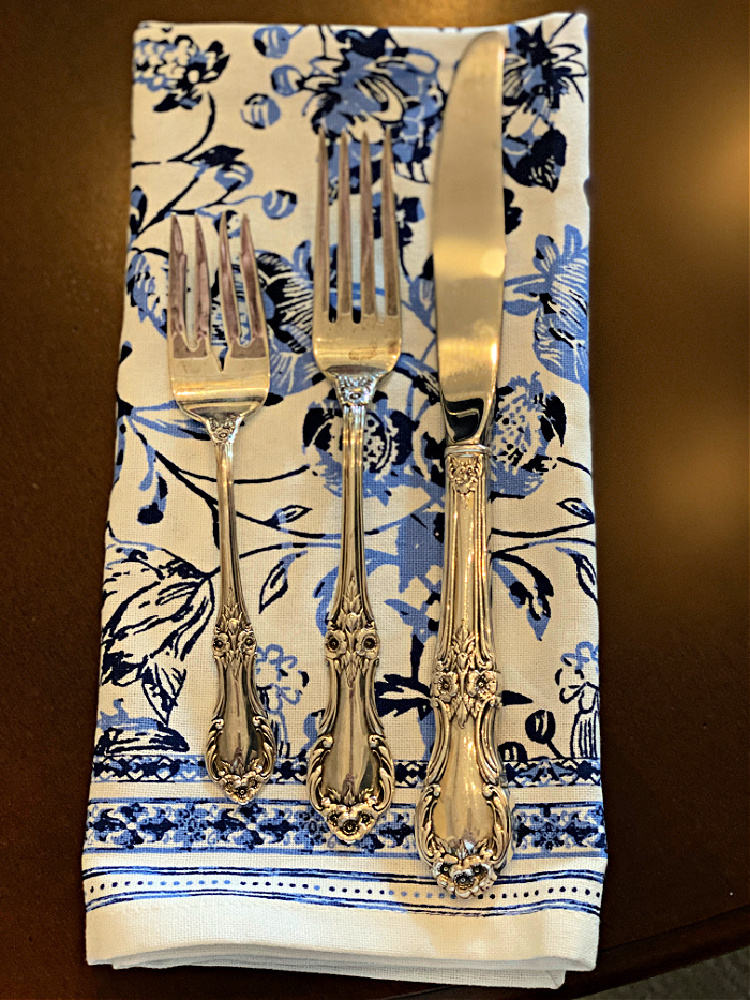
Only after those elements have been chosen do I begin thinking about the centerpiece and lighting.
In other words, flowers are often one component of the design rather than the starting point.
A florist creates a centerpiece around the theme.
A tablescape designer makes sure every item on the table fulfills the theme.
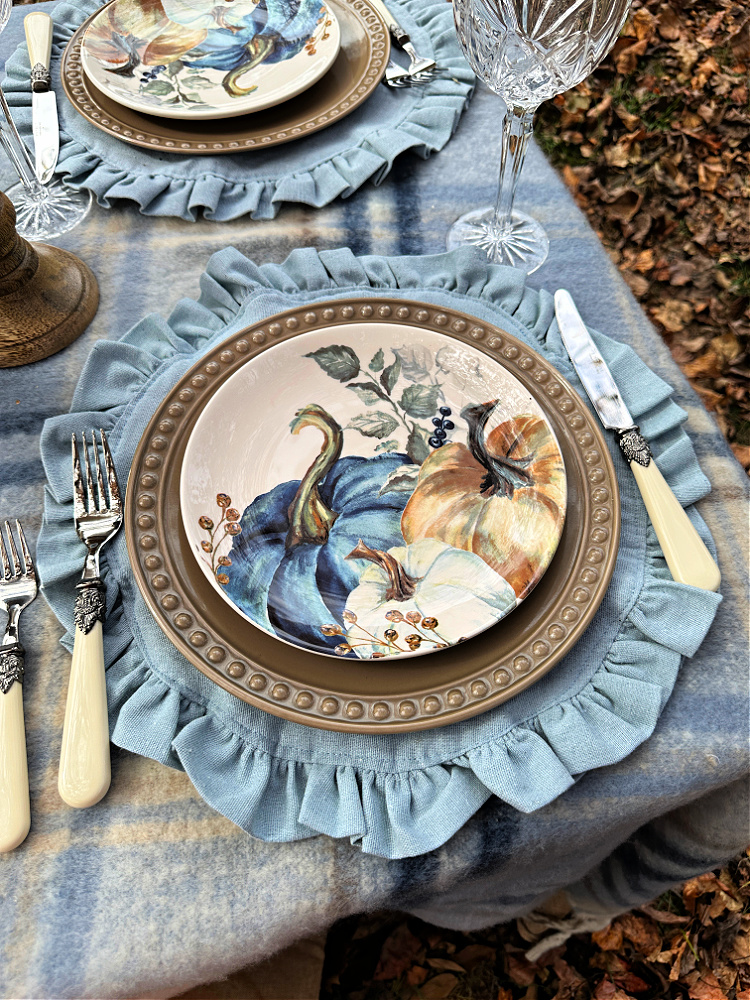
A Tablescape Is More Than a Centerpiece
One of the most common misconceptions about tablescaping is that the centerpiece is the tablescape.
It isn’t.
The centerpiece occupies the middle of the table. The tablescape encompasses the entire table.
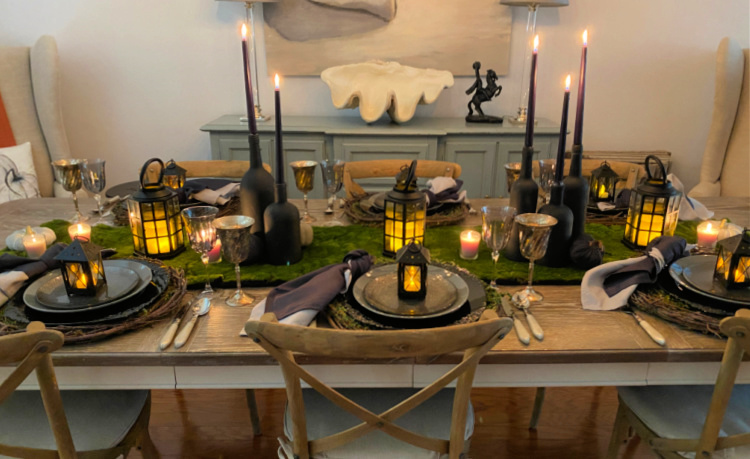
Every element contributes to the overall story.
The dishes, linens, chargers, stemware, flatware, candles, decorative accents, textures, colors, and scale all work together to create a cohesive look.
Without those supporting elements, even the most beautiful floral arrangement can feel incomplete.
I once styled a table featuring numerous crystal bud vases filled with colorful blooms. The flowers were lovely, but something was missing.
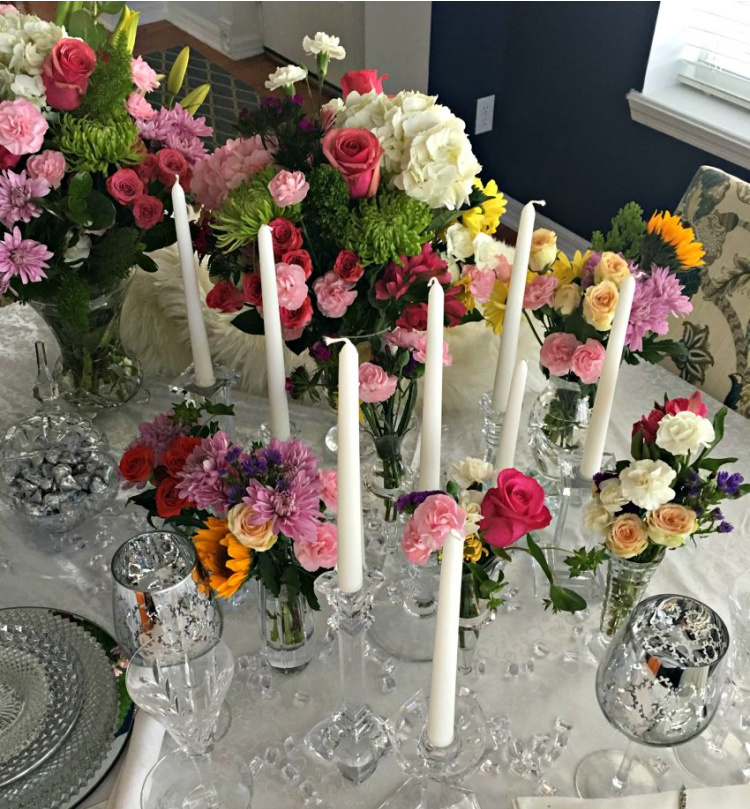
The table did not truly come together until I added mirrored chargers, crystal candlesticks, crystal dinnerware, shimmering stemware, and polished silver flatware. Suddenly the flowers had context. They became part of a larger design rather than standing alone.
That experience reinforced something I have learned over the years:
No matter how beautiful the flowers may be, you don’t have a styled tablescape until all of the elements work together.
Flowers Aren’t Always the Star
Some of my favorite tablescapes have featured very few flowers—or none at all.
One autumn table I created contained not a single blossom.
Instead, I used a runner scattered with oak leaves and arranged white pumpkins of varying sizes down the center of the table. Deer antler sheds, pinecones, and pheasant feathers added texture and interest throughout the display.
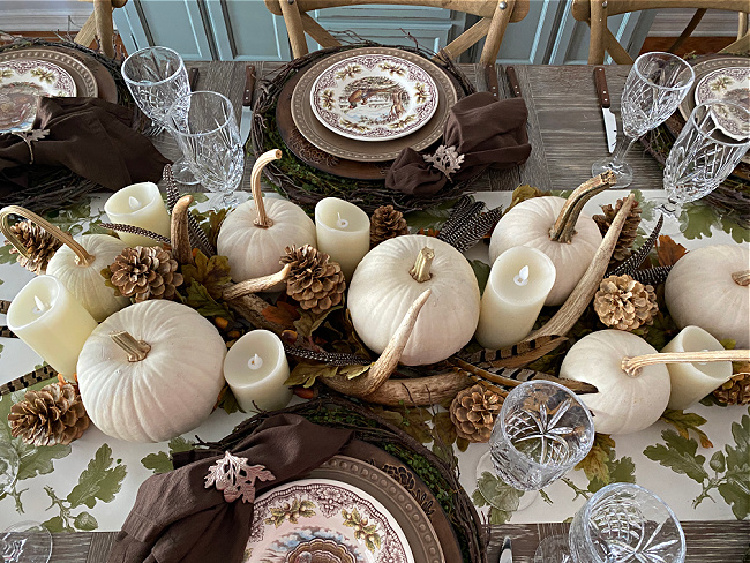
The place settings were equally important. Grapevine and moss placemats anchored each setting, while brown dinner plates were topped with classic Staffordshire turkey plates. Wooden-handled flatware and brown linen napkins tucked into oak leaf napkin rings completed the rustic woodland theme.
The beauty of that table wasn’t dependent upon flowers.
It was created through layers of texture, color, and carefully selected details that worked together to tell a story.
Tablescapes Must Be Beautiful and Functional
Another difference between floral design and tablescape design is that a tablescape designer must constantly think about the dining experience.
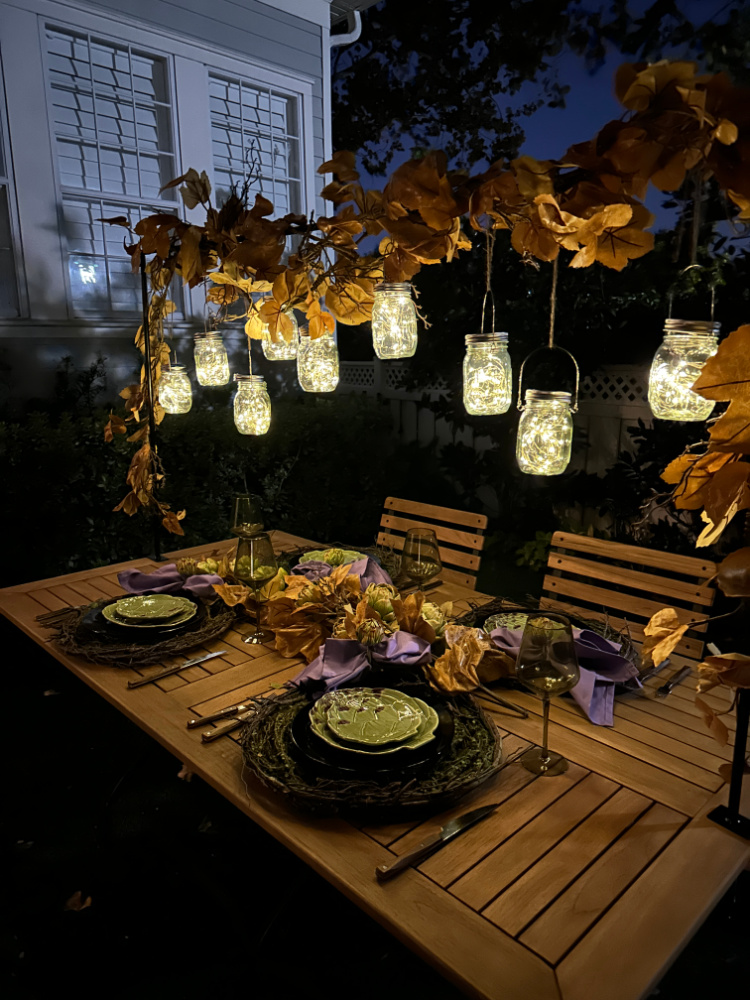
I have attended many dinners where the floral arrangement was so tall that guests could barely see one another across the table.
While the arrangement may have been beautiful, it wasn’t practical.
As a tablescape designer, I consider the scale of the centerpiece in relation to the place settings, chargers, stemware, and the people who will actually be seated around the table.
In fact, I have occasionally displayed a large, dramatic centerpiece while guests arrive and then moved it to a nearby sideboard before dinner is served. Guests still enjoy the “wow” factor, but conversation and comfort are never compromised.
The best tablescapes balance beauty with functionality.
Does a Tablescape Designer Need Floral Knowledge?
Absolutely.
A good tablescape designer should understand flowers and how they behave.
Knowing which flowers are available in certain colors, heights, and shapes is incredibly helpful when designing a table. Understanding which flowers hold up well in floral foam, how blooms age, and how different varieties work together allows a designer to make better decisions.
While I consider myself first and foremost a tablescape designer, my knowledge of floral arranging has certainly strengthened my ability to create beautiful tables.
The two skills complement one another beautifully.
Which Is Harder to Learn?
This answer may surprise you.
In my experience, many people are intimidated by flower arranging. I have taught workshops where participants were genuinely nervous about arranging flowers and struggled to create the look they envisioned.
For me, flower arranging feels natural and intuitive. But I’ve learned that many people don’t feel that way.
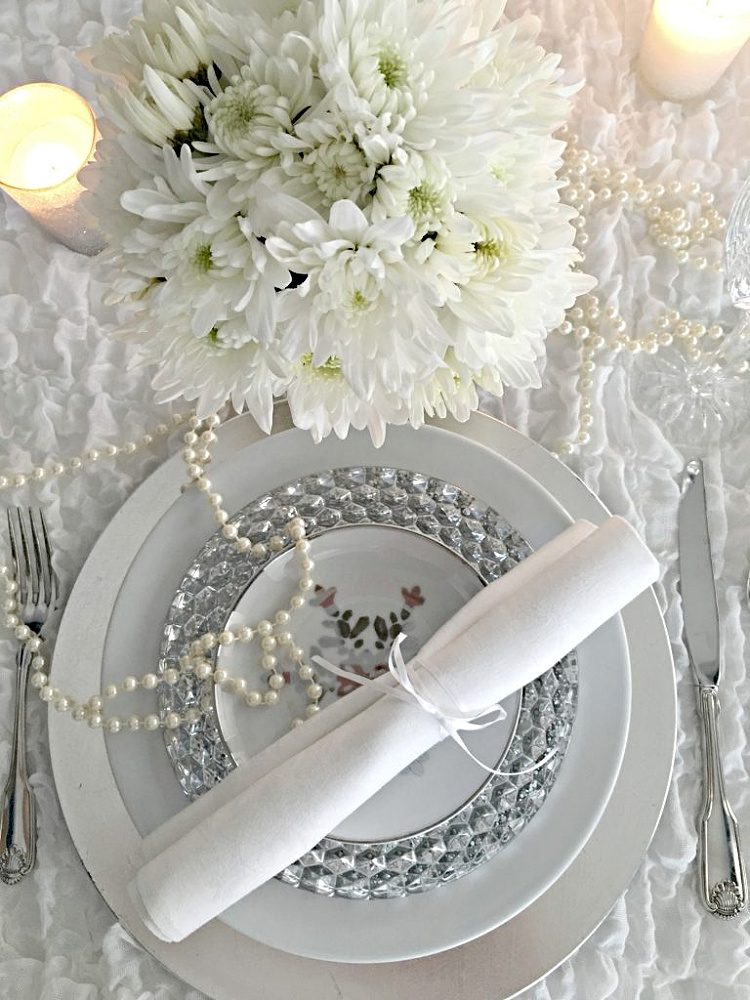
Creating a cohesive tablescape, however, can be learned by understanding a few basic principles.
Color, texture, scale, and style all need to work together.
For example, fine china generally pairs best with elegant crystal and polished silver flatware. A casual summer table might call for bamboo-handled flatware and simple iced tea glasses instead.
Once homeowners understand how to create harmony among those elements, they can build beautiful tables with confidence.
Do You Need a Florist to Create a Beautiful Tablescape?
Not at all.
A beautiful tablescape does not require an elaborate floral arrangement.
If you’re hosting a garden-themed luncheon, consider clustering small pots of blooming plants down the center of the table. A collection of crystal candlesticks can create a stunning centerpiece. During the holidays, a crystal bowl filled with vintage ornaments can be every bit as impactful as fresh flowers.
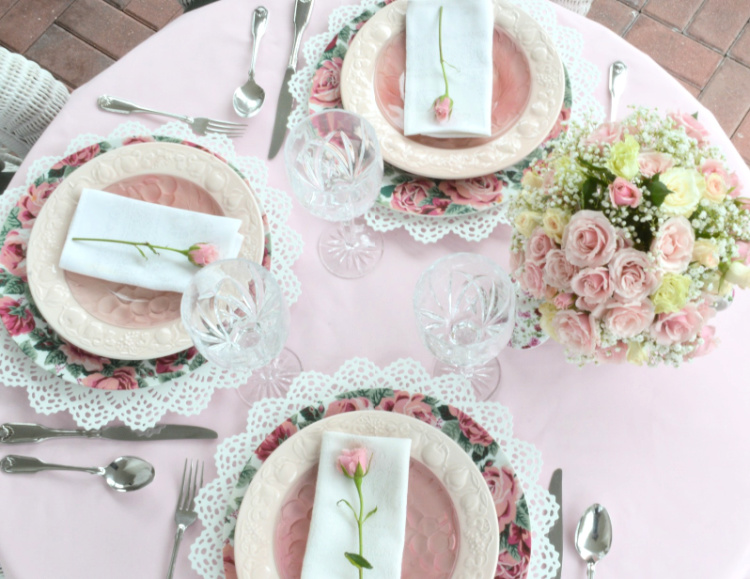
The key is to use your own strengths and creativity.
If flower arranging isn’t something you enjoy, don’t let that stop you from creating a memorable table.
Tablescaping is about creating an atmosphere that welcomes guests and enhances the dining experience.
Flowers can certainly play a role, but they are not the requirement.
Final Thoughts
After styling hundreds of tables over the years, I have learned that there is a significant difference between setting a table and styling a tablescape.
Setting a table provides guests with what they need for a meal.
Styling a tablescape creates an experience.
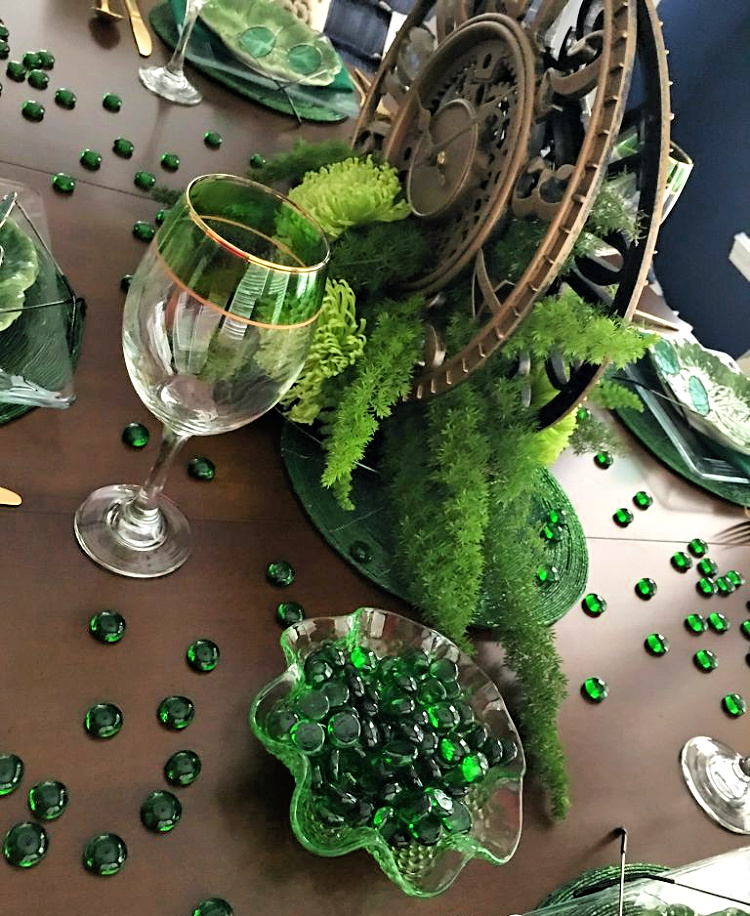
While a florist focuses on the artistry of flowers, a tablescape designer looks at the entire picture—linens, dishes, stemware, flatware, lighting, decorative elements, color, texture, scale, and mood.
When all of those pieces work together, the result is far more than a centerpiece.
It becomes a story told across the tabletop.